Paraíso Perdido
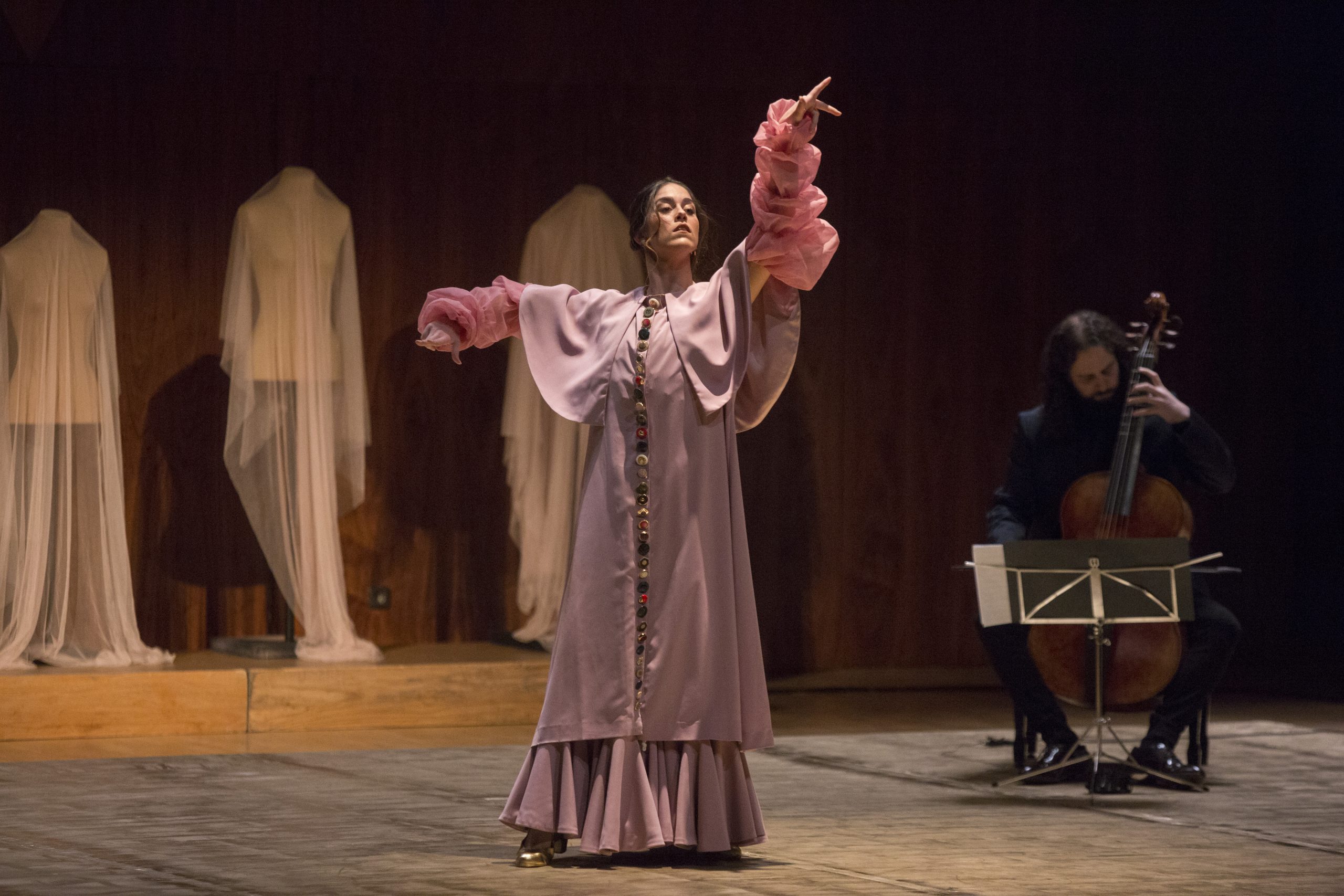
In the Seville of the 1600s, the people’s fiestas, their songs and street dances and, in particular, those of the blacks seated in certain quarters of the city such as San Bartolomé seduced the wealthy classes: a fascinating and sinful atmosphere, attractive but severely censured by the moralists. In the imagination of the upper classes, these festivals evoked on the one hand the lost paradise of the New World, in which Adam and Eve’s nudity was the natural state, but on the other a dark nocturnal atmosphere pregnant with lubricious dances in which the deadly sins abducted bodies and souls. Among the aristocracy – first Sevillian, then Hispanic, then European – folías, canarios, chaconas or the obscene zarabanda were in fashion, dances that came from America via the port of Seville with those twelvebeat rhythms that today we hear in alegrías and soleares, although washed of their sinful past in order to be accepted in the refined palatial environments. These dances thus initiated parallel paths between the luminous and the tenebrous, between innocence and vice, with the deadly sins as bridges between the culture of the oppressors and that of the oppressed. Our show is inspired by these baroque chiaroscuros to communicate two contiguous paths, separated but continually linked by temptations: the proud marizápalos, the lustful marionas, the envious passacaglia and the wrathful fandango will lead us, after an already lazy zarabanda, to a greedy chacona, which wants everything, in which flamenco is stylised and Bach is flamboyant.
Coreography: Patricia Guerrero | Musical arrangements: Fahmi Alqhai | Stage direction: Juan Dolores Caballero
Organizado por
Con el apoyo de
With the support of